How to clean and protect nylon filter mesh
How to clean and protect nylon filter mesh
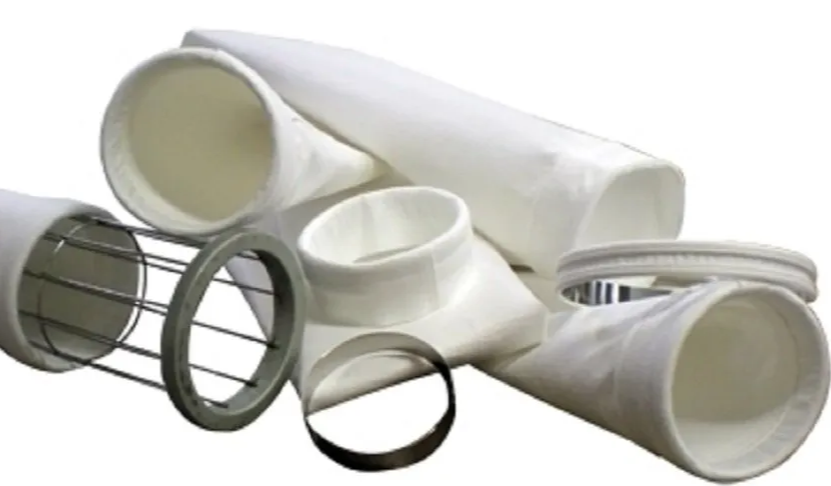
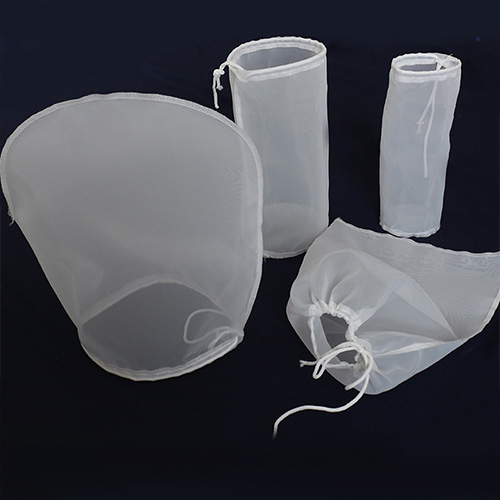
In daily life and industry, nylon filter mesh is widely used in the filtration of liquids and gases because of their resistance to wear and tear, corrosion, easy cleaning and cost-effectiveness. However, even the best quality nylon filter mesh will gradually lose its original filtration efficiency due to various reasons in the process of long-term use, and even cause clogging or damage. Therefore, mastering the correct maintenance method is crucial to prolong the service life of nylon filter mesh and maintain its efficient filtration performance.
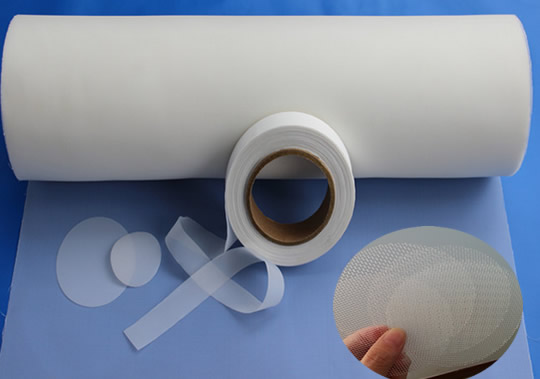
First of all, understanding the basic structure and material properties of nylon filter mesh is a precondition for effective maintenance. Nylon filter mesh is usually made of woven nylon fibers. This material is not only high strength, but also has good chemical resistance and thermal stability. Its structure is mostly mesh, and the pore size is customized according to the needs of use, in order to achieve the filtration of impurities of different particle sizes.
No matter for first-used nylon filter mesh or repeated-used nylon filter mesh, cleaning is always the first step and the most important step. Depending on the using environment and filter liquid, the cleaning frequency of nylon filter mesh will vary. Generally speaking, it is recommended to clean them at least once a week in high-intensity using environments, while it can be appropriately extended to once a month in low-intensity using or clean environments.
There are three methods in cleaning nylon filter mesh. First one is cleaning by high-pressure water gun. For slightly clogged filters, a high-pressure water gun or air gun can be used for flushing, using the impact of water or airflow to remove impurities attached to the network. Second method is chemical cleaning. For stubborn stains or special chemical substance attachment, you can choose the appropriate cleaning agent for immersion cleaning according to the chemical resistance of the nylon mesh. However, it should be noted that the selected cleaning agent should not have a chemical reaction with the nylon material, so as not to damage the nylon filter mesh. Last but not least, ultrasonic cleaning is an efficient and non-destructive cleaning method for nylon filter mesh with precise or complex structures, that can deeply remove the dirt in the tiny pores.
After each cleaning, the nylon mesh should be carefully inspected for breakage, tearing or deformation. Once found, it should be replaced or repaired in time so as not to affect the filtering effect. Use professional equipment to test whether the pore size of the filter still meets the design requirements to ensure that the filtration accuracy is not affected. In addition to the nylon filter mesh itself, its supporting frame and connectors should be inspected regularly to ensure that they are firm and not loose, and to prevent any decline in filtration efficiency or safety accidents caused by problems with the supporting structure.

Cleaned and dried nylon filter mesh should be stored in a dry, ventilated, dust-free environment, avoiding direct sunlight and moisture to prevent mold and aging. When storing, avoid heavy objects pressing directly on the filter to avoid deformation or breakage. Nylon filters of different sizes, materials and uses should be categorized, stored and managed for quick access and replacement.
Although the service life of nylon filter mesh can be extended through maintenance, their filtration efficiency will eventually decline over time. Therefore, it is recommended that new nylon filter mesh should be replaced on a regular basis according to usage and the manufacturer's recommended replacement intervals to ensure the continued efficient operation of the filtration system.
In conclusion, nylon filter mesh will be gradually aging due to a variety of factors in the process of use, which performs filtration decline, color change, brittleness and surface cracking. To effectively slow down this process, the first need is to control the use of the environment, avoiding high temperatures, strong ultraviolet rays and excessive oxidation of the environment, to maintain the appropriate temperature and humidity. Secondly, regular maintenance is essential, including cleaning and maintenance, polishing and anti-corrosion and sun protection measures, which can significantly extend the life of nylon filter mesh. Finally, the selection of nylon filter mesh must pay attention to the quality, high-quality nylon mesh have better anti-aging properties. Through scientific management and maintenance, and high-quality selection of materials, we can greatly enhance the service life of nylon filter mesh to ensure its long-term stable use.
For more details about nylon filter mesh, please contact at +86 15097355251
Difference Between Nylon Filter Mesh and Non-woven Mesh
Nylon mesh in the food processing industry
Related Article